SIGforum
Anybody Familiar With Tilt Up Construction - Engineering Question
August 12, 2025, 04:03 PM
a1abdjAnybody Familiar With Tilt Up Construction - Engineering Question
Our new school has a small gymnasium built as a storm shelter. Concrete tilt up construction. Each panel has two embedded steel pieces on each side which split the panel into thirds. A roughly 12" square plate is welded overlapping two panels at each of these locations.
Are these plates only to hold the walls together until the roof is installed, or do they play a role in the structure itself, and/or its ability to withstand a tornado?
The reason I ask is that it looked like a first grader did the welding, and the panels are often not aligned flat where shimming was performed (poorly) to get the welded plate to sit across both panels.
August 12, 2025, 05:49 PM
phxtoadI am familiar with tilt, but as an Architect - not a Structural Engineer. I think it’s a little of both: They get welded on prior to roof install for alignment and to limit movement mostly - thus the ‘quick’ welds. Once the roof diaphragm is complete, that takes the lateral load. Each panel technically spans from floor to roof. During erection, the panels are braced, but if a brace anchor fails, then the ‘tabs’ keep things together - transferring load to the adjacent panels.
phxtoad
"Careful man, there's a beverage here!"
August 12, 2025, 07:10 PM
MikeinNCJust watched this, looks like they are just for the bracing part. I guess putting the roof on locks it all into place
https://www.youtube.com/watch?v=kC_pEaccZQA
“You may beat me, but you will never win.” sigmonkey-2020
“ in my opinion, anything that we can do to trigger a potential aneurysm in a leftist is a good thing and worth doing” nhtagmember 2025 August 13, 2025, 09:58 AM
a1abdjAdding photos of the plates in question:
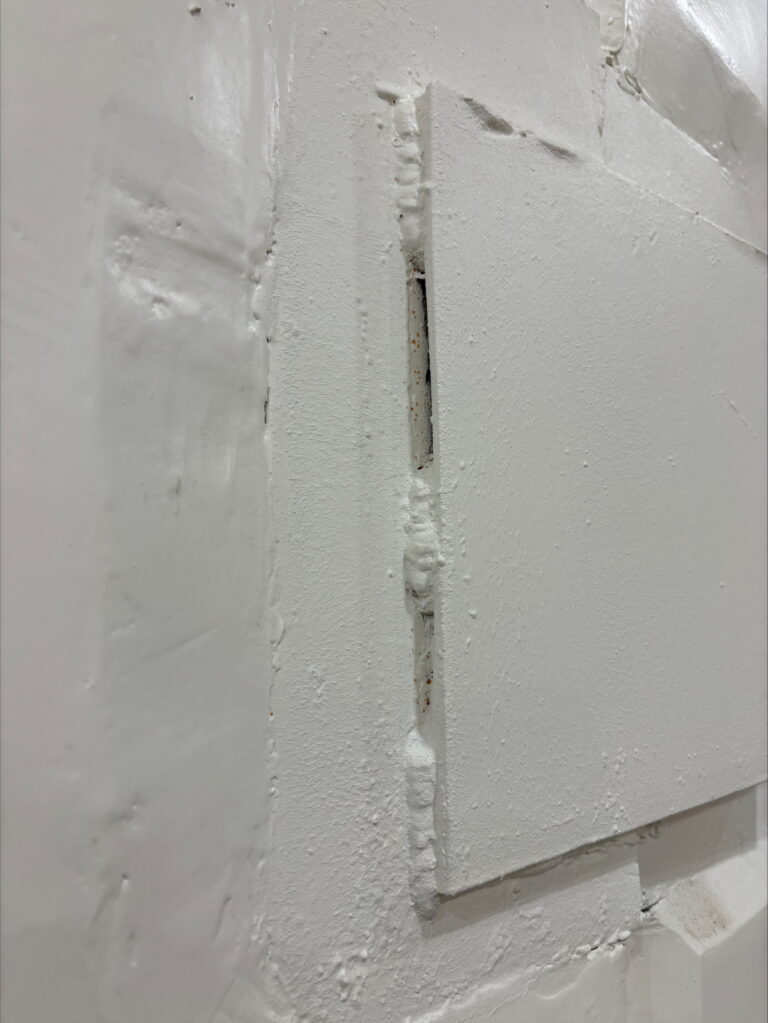
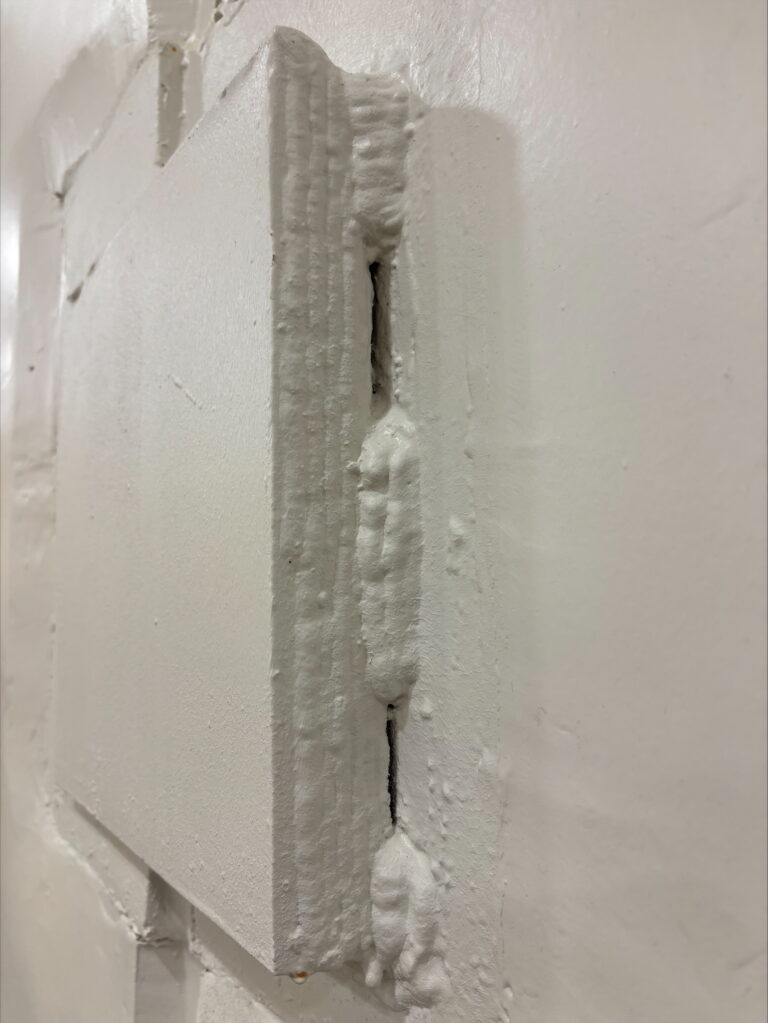
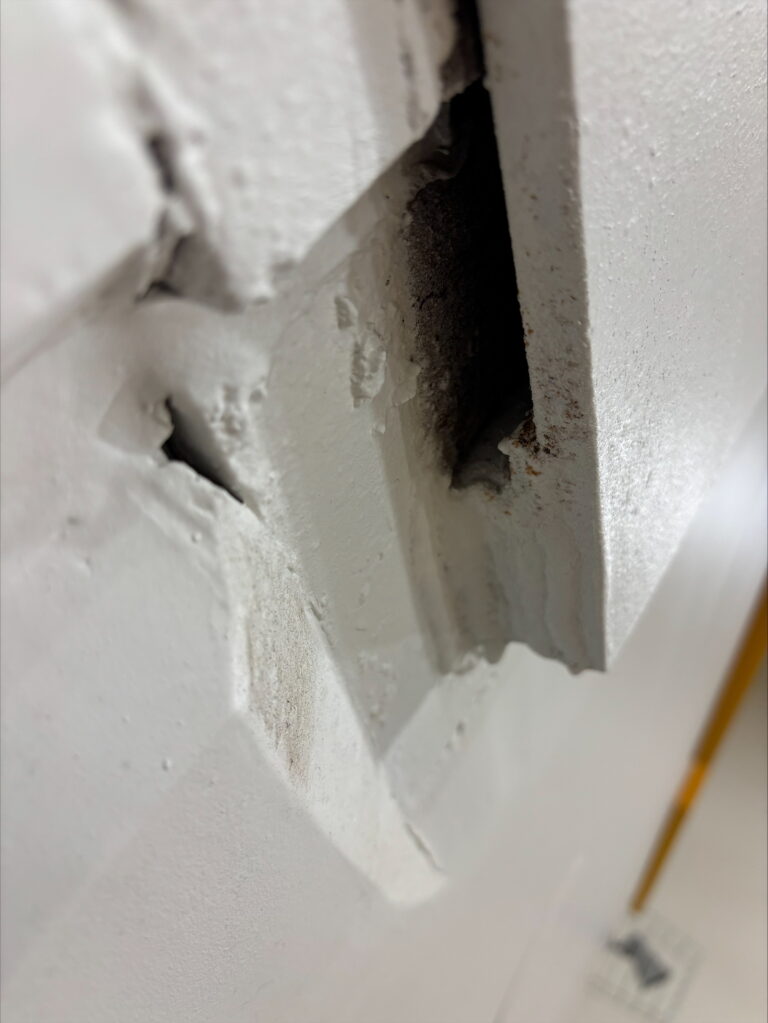
August 13, 2025, 10:20 AM
StarTravelerThe plates and welds vary depending on the design of the panels. If they’re used as individual wall panels with another lateral system or as shear walls for in-plane wind or seismic forces (I.e., parallel to the wall length) those maybe good enough. Occasionally several panels may need to be linked together to make them act as a combined shear wall. In such cases, there are typically more embeds and plates and welding is more extensive.
Most jurisdictions following the International Building Code now require a Special Inspector to look at welds to make sure they meet project requirements. That’s the question I’d ask to see if inspections are being done and, if so, do they meet the requirements. If there aren’t any inspections being performed, the question might be “why not?”
***
"Aut viam inveniam aut faciam (I will either find a way or make one)." -- Hannibal Barca
August 13, 2025, 11:44 AM
JoseyWales2If they were meant to be structural welds, I would think it would be a continuous weld, not a spot weld. And there seems to be a tremendous variation in that welded plate thickness.
I think StarTraveler has a good idea, ask if inspections are being done and what requirements need to be met to meet code.
----------------------------------
"These things you say we will have, we already have."
"That's true. I ain't promising you nothing extra."
August 13, 2025, 03:24 PM
StarTravelerquote:
Originally posted by JoseyWales2:
If they were meant to be structural welds, I would think it would be a continuous weld, not a spot weld. And there seems to be a tremendous variation in that welded plate thickness.
Not necessarily on the continuous versus intermittent welds; structural engineers frequently specify intermittent welds if they will carry the required load since welding is expensive. However, I agree on the variation, though part of that appears to be due to the shims required, probably due to the embeds being off a little (or a lot?).
***
"Aut viam inveniam aut faciam (I will either find a way or make one)." -- Hannibal Barca